Wobbly Ink: A Playful Font for Creative Projects
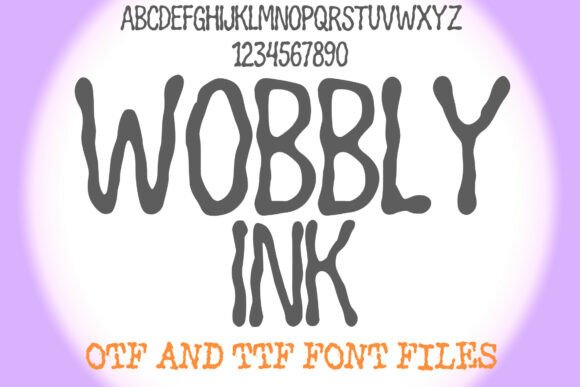
Typography plays a key role in visual communication, and Wobbly Ink stands out as a font that brings personality and charm to any design. With its irregular, handwritten style, Wobbly Ink mimics the look of freshly drawn ink, offering a sense of spontaneity and warmth that’s hard to replicate with more rigid typefaces. Whether you're designing a poster, crafting a children's book, or working on a DIY project, this font can help your work feel more approachable and expressive.
Why Wobbly Ink Stands Out
Unlike standard fonts that prioritize clarity and uniformity, Wobbly Ink leans into imperfection. Its shaky lines and uneven spacing give it a hand-drawn feel that feels authentic and human. This quality makes it ideal for projects that benefit from a personal touch or a sense of whimsy. It's especially effective when you want to convey creativity, playfulness, or a relaxed tone.
Available in both OTF and TTF formats, Wobbly Ink offers flexibility across design platforms. Whether you're using Adobe Illustrator, Canva, or a basic word processor, you can easily incorporate this font into your work. Its adaptability makes it a valuable tool for designers, educators, and small business owners who want to add visual interest without sacrificing usability.
Creative Uses for Wobbly Ink
Because of its distinctive style, Wobbly Ink works best in contexts where personality matters more than precision. Here are a few creative applications that make the most of its unique character:
- Children’s Book Illustrations: Use Wobbly Ink for story text, character dialogue, or playful titles that match the lighthearted tone of children’s literature.
- Handmade Crafts and Greeting Cards: Add handwritten-style labels, captions, or quotes to your handmade creations for a personal, one-of-a-kind feel.
- Event Posters and Flyers: Whether it’s a local workshop or a birthday party, Wobbly Ink can make your event feel more intimate and inviting.
- Blog Graphics and Social Media Posts: Use the font in quote graphics, captions, or callouts to give your content a more casual, conversational tone.
- DIY Projects and Hand-Lettering: Pair Wobbly Ink with hand-drawn elements to create cohesive designs that feel organic and expressive.
Adapting Wobbly Ink for Different Audiences
One of the strengths of Wobbly Ink is its versatility across audiences and design goals. Here's how different users can tailor it for their specific needs:
- Designers: Combine Wobbly Ink with clean sans-serif fonts to create contrast and balance. Use it for headers or accent text rather than long paragraphs to maintain readability.
- Marketers: Apply Wobbly Ink in promotional materials for niche brands that want to project a friendly, creative image—think boutique shops, artisanal food brands, or independent studios.
- Bloggers: Enhance quote graphics or featured images with Wobbly Ink to make your content more visually engaging and relatable.
- Educators: Use the font in worksheets, classroom posters, or student projects to make learning materials feel more approachable and fun.
- Small Business Owners: Incorporate Wobbly Ink into packaging labels, signage, or social media visuals to create a distinctive and memorable brand identity.
Design Tips for Using Wobbly Ink Effectively
While Wobbly Ink is fun and expressive, it still needs to be used thoughtfully to ensure clarity and impact. Here are a few tips to help you make the most of this playful font:
- Pair with Simpler Fonts: To avoid visual clutter, use Wobbly Ink for headlines or accents and pair it with a more legible font like Arial or Helvetica for body text.
- Adjust Spacing as Needed: Because of its irregular shapes, Wobbly Ink may require manual tracking or kerning adjustments to ensure even spacing and readability.
- Use on Light Backgrounds: For better contrast and legibility, consider using Wobbly Ink on light or white backgrounds, especially when printing or displaying on screens.
- Limit Its Use in Formal Settings: While Wobbly Ink is great for creative and casual projects, it may not be appropriate for professional reports, academic papers, or corporate branding.
- Experiment with Color: Try using Wobbly Ink in bold colors or gradients to enhance its playful nature and make your text stand out.
Inspiration for Wobbly Ink Projects
If you're looking for ideas to spark your creativity, consider these real-world applications where Wobbly Ink can shine:
- Custom Name Labels: Create personalized stickers or tags for kids' school supplies, lunchboxes, or craft items.
- Recipe Cards: Design a set of printable recipe cards with handwritten-style notes and ingredient lists.
- Art Journaling: Use Wobbly Ink in your digital or physical art journal to add captions, reflections, or inspirational quotes.
- Wedding Invitations: Give your stationery a whimsical touch by using Wobbly Ink for informal details like RSVP notes or event descriptions.
- Print-on-Demand Products: Design t-shirts, mugs, or tote bags with Wobbly Ink typography that reflects a fun, creative brand voice.
Making the Most of Your Typography
Typography is more than just choosing a font—it's about conveying tone, emotion, and intent. Wobbly Ink gives you the tools to express warmth, creativity, and personality in your designs. By understanding its strengths and limitations, you can use it effectively across different platforms and projects.
Whether you're a designer looking for a fresh style or a small business owner wanting to stand out, Wobbly Ink can help you bring a human, handcrafted feel to your work. It's not just about aesthetics—it's about creating something that feels real, relatable, and memorable.