Doodly Apple: A Strategic Tool for Creative Design and Brand Expression
In a world where visual communication is increasingly dominant, the choice of typography can significantly influence how a message is received. Doodly Apple emerges as a unique, playful, and intentionally designed doodle font that draws inspiration from cartoon and comic styles. More than just a whimsical typeface, it serves as a deliberate design element that, when used strategically, can enhance branding, improve audience engagement, and support creative expression across a variety of platforms.
Understanding Doodly Apple: Form and Function
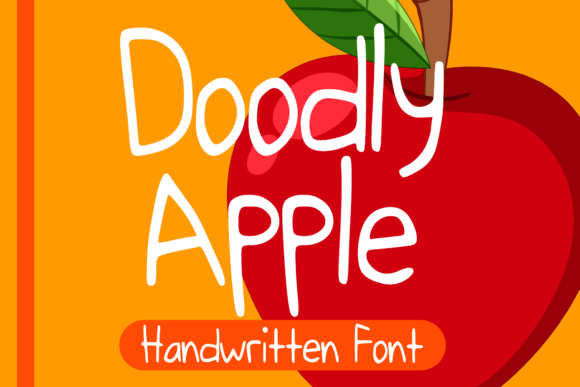
Doodly Apple is not simply a font—it's a design asset with character. Its hand-drawn aesthetic mimics the spontaneity of sketch-style illustrations, making it ideal for projects that aim to feel approachable, imaginative, or youthful. The font's cartoon-inspired curves and soft edges lend it a distinctive personality that stands apart from more formal or rigid typefaces.
From a functional standpoint, this font is versatile. It works well in both digital and print formats, and its legibility at various sizes makes it suitable for everything from social media graphics to printed merchandise. However, its strength lies in its ability to evoke a specific emotional tone—something that should be considered as part of any broader design strategy.
Strategic Use of Doodly Apple in Design Projects
The strategic value of Doodly Apple becomes apparent when it aligns with the tone and purpose of a project. It's particularly effective in design contexts that benefit from a sense of warmth, creativity, or lightheartedness. Consider the following use cases:
- Logo design – For brands that want to project a fun, friendly, or youthful image, Doodly Apple can serve as the foundation for a memorable and emotionally resonant logo.
- Children's media – Whether for book covers, cartoons, or educational materials, the font supports a tone that's engaging and accessible to younger audiences.
- Merchandise and apparel – T-shirts, stickers, and novelty items often rely on visual appeal to capture attention. Doodly Apple adds a handcrafted charm that can elevate product design.
- Comic and cartoon illustration – The font’s stylistic roots in comic lettering make it a natural fit for speech bubbles, titles, and visual storytelling elements.
Aligning Doodly Apple with Brand Identity
Typography plays a critical role in shaping brand identity. Doodly Apple, with its distinct visual character, should be used in a way that reflects the brand’s personality and values. It may not be appropriate for formal or corporate environments, but in creative, educational, or entertainment sectors, it can reinforce a brand’s approachability and innovation.
When integrating this font into a brand’s visual system, consider how it interacts with other design elements such as color schemes, imagery, and layout. A cohesive design strategy ensures that the font enhances rather than competes with other visual components.
Planning for Effective Use
Before incorporating Doodly Apple into a design, it's essential to evaluate the project's goals and audience. Ask the following questions:
- What emotional tone should the design convey?
- Who is the target audience, and what kind of visual language resonates with them?
- Is the font being used for headlines, subheadings, or body text?
- How will the font interact with other design elements?
These considerations help ensure that the font is not chosen randomly, but as a deliberate part of a broader creative strategy. Misalignment between the font style and the intended message can dilute the effectiveness of the design and confuse the audience.
Typography as a Communication Tool
In design, typography is more than just aesthetics—it's a communication tool. The right font can guide the viewer’s emotional response and influence how content is interpreted. Doodly Apple brings a sense of playfulness and informality, which can be leveraged to create a more engaging and memorable experience.
However, this informality should be balanced with intentionality. Overuse or inappropriate use of the font—such as in a formal business report or legal document—can undermine credibility. Strategic designers understand when to use expressive fonts like Doodly Apple and when to opt for more neutral or traditional typefaces.
Potential Risks of Unfocused Typography Choices
While Doodly Apple offers creative potential, using it without a clear strategic context can lead to inconsistent branding or miscommunication. Designers who choose the font based solely on its novelty or trendiness may miss the opportunity to create a cohesive and meaningful visual identity.
Moreover, overreliance on a single font across multiple design contexts can reduce its impact over time. To maintain freshness and relevance, it's important to periodically evaluate how the font fits within the evolving brand strategy and design direction.
Enhancing Creativity and Productivity with Intentional Design
Designers and creators can benefit from using Doodly Apple not just for its visual appeal, but for how it supports creative flow and productivity. When the font aligns with the project’s tone, it can reduce the need for excessive revisions and help maintain creative momentum.
Additionally, when used in collaborative environments such as team-based design projects or client presentations, a well-chosen font like Doodly Apple can serve as a shared visual language that streamlines decision-making and enhances team alignment.
Long-Term Value of Thoughtful Typography
Investing time in selecting the right typography pays dividends over time. Doodly Apple can be a valuable asset when integrated thoughtfully into a design system. It contributes to a consistent visual identity, supports storytelling, and enhances user experience across platforms.
For entrepreneurs, marketers, and creatives, the strategic use of fonts like Doodly Apple reflects a deeper understanding of design principles and audience psychology. It signals professionalism, attention to detail, and a commitment to delivering meaningful visual experiences.